How To Maximize Profit From Wholesale Lots Businesses

Commercial Roofing Bay Area: The Roof Problem No One Planned For

Commercial Roofing Bay Area: The Roof Problem No One Planned For

Commercial Roofing Bay Area: The Roof Problem No One Planned For
The project was supposed to be straightforward. A Bay Area commercial property had several aging rooftop HVAC units, and the owner had finally approved their replacement. The mechanical contractor had a schedule, new equipment had been selected, and the work was moving toward installation. No one was talking about the roof.Then came a phone call from the rooftop.

While reviewing the existing equipment, the contractor noticed that roofing around several older curbs and penetrations looked worn. There was no dramatic leak inside. No buckets lined the hallway. No stained ceiling tiles had triggered an emergency. Yet suddenly the owner had a new question: should the HVAC project continue before someone evaluated the roofing around it?

For property owners considering Commercial Roofing Bay Area, this scenario illustrates something easily overlooked. Roofing decisions do not always begin with roof failure. Sometimes they begin because another building system is about to change.

*What looked like a mechanical project was about to become a lesson in how closely a commercial roof is connected to everything installed above it.*

“Sometimes the best time to discover a roofing concern is when the roof is not leaking at all.”

Stage One: A Routine HVAC Project Changes the Conversation

The property owner initially faced a timing problem. The HVAC units needed replacement, and postponing the mechanical project indefinitely was not attractive. At the same time, installing new equipment without understanding the surrounding roofing conditions could complicate future work.

The existing units sat on rooftop curbs, creating transitions between mechanical equipment and the roofing system. Pipes, conduits, and other penetrations occupied nearby areas. Previous roofing work was visible in several locations, but the property records did not provide a complete history of every repair.

The owner could have continued with the original schedule and dealt with roofing later. After all, there was no active interior leak.

But that absence of water did not answer the larger question: What condition would the new equipment be installed into?

That question changed the project.

Instead of treating the roof as the platform beneath the HVAC equipment, the owner began thinking about the relationship between the two systems. If roofing work became necessary later, would the newly installed equipment complicate access? If curb or flashing conditions needed attention, would it make more sense to address them during the mechanical project? Were the observed concerns isolated, or did they reflect broader roof deterioration?

There was no responsible way to answer those questions from a photograph or a quick rooftop observation.

So the next step was not replacement, repair, or another construction proposal. It was inspection.

Stage Two: One Question Leads to a Roof Evaluation

The roofing evaluation widened the frame. Instead of looking only at the areas immediately surrounding the HVAC units, relevant portions of the roof could be considered together: existing roofing conditions, flashing, penetrations, drainage, previous repairs, roof edges, and equipment transitions.

This distinction mattered. A commercial roof is a system, and the fact that one contractor noticed deterioration near mechanical equipment did not automatically establish that the entire roof required replacement. Nor did the absence of an active leak prove that no roofing work was necessary.

*The goal was to replace assumptions with conditions that could actually be observed and documented.*

The owner also began gathering information that had previously been scattered among maintenance files. When had earlier roofing work been completed? Were there records of leaks near the mechanical area? Had previous equipment changes affected the roof? Were there locations that maintenance personnel already watched after heavy rain?

Those details transformed the conversation. Instead of asking, “Do we need a new roof?” the owner could ask more precise questions: “What needs attention around the equipment? What is the condition of the surrounding roof? What work should be coordinated now, and what can reasonably remain part of future planning?”

“A useful inspection does more than identify defects. It helps establish the sequence in which building decisions should happen.”

That sequence became especially important because two trades were now involved. The HVAC contractor understood the mechanical project. The roofing contractor understood how the relevant roof components needed to remain integrated around that work. The property owner needed those scopes to meet in the right order.

Stage Three: Two Contractors, One Roof, One Schedule

Trade coordination rarely receives the attention of a new roofing material or a major piece of mechanical equipment, but on an occupied commercial building it can determine whether separate projects complement or complicate each other.

Imagine completing roofing work around an existing unit only to have that equipment removed shortly afterward. Or imagine installing new rooftop equipment without discussing how changes to curbs, penetrations, or access may interact with the roofing assembly. Each contractor may perform competent work within an individual scope while the overall sequence remains inefficient.

The property owner therefore brought the conversations together.

The HVAC schedule established when old equipment would be removed and new equipment positioned. Roofing requirements could then be coordinated around the affected areas. Access, staging, weather, protection of the occupied property, and responsibility for relevant transitions became part of the planning discussion.

This was where experienced commercial roofing professionals became part of a larger building strategy rather than an isolated repair call. The roofing scope needed to respond not only to existing conditions but also to what another trade was about to change.

The owner also avoided an important mistake: assuming that coordination meant expanding the roofing project unnecessarily. The purpose was not to turn an HVAC replacement into the largest possible roof project. It was to determine what roofing work made sense while access, equipment, and scheduling were already being considered.

*Good coordination is not about doing everything at once. It is about avoiding the need to undo tomorrow what another contractor completes today.*

As the schedule came together, the project became easier to understand. Mechanical work had its sequence. Roofing work had its sequence. The owner knew which areas deserved immediate attention and which conditions would instead be documented for future monitoring.

For an occupied commercial property, that clarity mattered. Tenants and employees did not need to understand every curb or flashing detail. They needed a building that continued to function while work happened above them.

Stage Four: The HVAC Project Leaves Behind a Roofing Plan

Eventually, the new HVAC equipment was in place. The associated roofing work had been coordinated around the project, and the property returned to its ordinary rhythm. From inside the building, the transformation was almost invisible.

But the owner had gained something that was not included in the original mechanical plan: a clearer understanding of the roof.

Relevant conditions had been documented. Previous trouble areas had received new context. The owner knew which portions of the roof had interacted with the HVAC project and which areas should remain part of future observations. Instead of possessing only another contractor invoice, the property now had information that could support the next maintenance and capital-planning conversation.

This changed how future Commercial Roofing Bay Area decisions could be approached. If another piece of rooftop equipment needed replacement, the roof would be part of the planning conversation from the beginning. If a leak appeared later, there would be documentation to compare against it. If larger roofing work eventually became appropriate, the owner would not be starting from a blank page.

The lesson extended beyond HVAC. Commercial roofs interact with solar equipment, electrical systems, exhaust components, communications equipment, and other rooftop installations. Whenever another trade modifies the roof environment, there is value in considering how that work affects—or is affected by—the roofing system.

“The smartest roofing project may begin before there is a leak, when you still have enough time to coordinate the work instead of reacting to it.”

Months later, the new mechanical equipment was simply part of the building. Employees came to work, tenants occupied their spaces, and customers moved through the property without knowing that what began as a routine HVAC replacement had briefly raised a much larger question about the roof.

There had been no dramatic emergency. That was precisely what made the experience valuable.

*The owner had been given something commercial property managers rarely receive during a roofing crisis: time.* Time to inspect. Time to ask questions. Time to coordinate contractors. Time to decide which conditions mattered now and which belonged in future planning.

And perhaps that is the most useful way to think about Commercial Roofing Bay Area. The roof does not need to wait for water to reach the ceiling before it becomes part of the conversation. Sometimes another project opens that conversation first—and when it does, paying attention can turn an unexpected roofing question into a much better building plan.


Auction House: Why Smart Buyers Turn to Auctions for Better Deals

Auction House: Why Smart Buyers Turn to Auctions for Better Deals

For generations, the auction house has been a place where buyers discover unique products, competitive prices, and exciting opportunities. While traditional auction houses were often associated with antiques and collectibles, today’s online auction houses offer much more. Shoppers can now bid on electronics, home appliances, furniture, tools, and countless everyday products from the comfort of their homes.

As consumers look for smarter ways to save money, auction houses have evolved into modern marketplaces that combine convenience, variety, and the thrill of competitive bidding.

What Is an Auction House?

An auction house is a marketplace where products are sold through an auction process rather than fixed pricing. Buyers place bids on items during a designated auction period, and the highest bidder at the close of the auction wins the product.

Modern auction houses operate both online and in person, making it easier than ever for shoppers to participate and find valuable deals.

Why Auction Houses Continue to Grow in Popularity

Today’s buyers are increasingly interested in finding value without sacrificing quality. Auction houses offer a unique solution by allowing consumers to compete for products instead of simply accepting retail prices.

auction house

Some of the biggest benefits include:

  • Potential savings on quality products
  • Access to diverse inventory
  • Regularly updated auction listings
  • A transparent bidding process
  • A more engaging shopping experience
  • Opportunities to discover unique items

These advantages make auction houses attractive to homeowners, families, collectors, business owners, and bargain hunters alike.

Products Commonly Found at an Auction House

Modern auction houses offer products across many different categories.

Popular inventory often includes:

  • Electronics and technology products
  • Home appliances
  • Furniture and home décor
  • Kitchen equipment and accessories
  • Power tools and equipment
  • Baby products
  • Outdoor and garden items
  • Health and beauty essentials
  • Office equipment
  • Seasonal merchandise

Because inventory changes frequently, buyers have regular opportunities to discover new products and exciting deals.

How an Auction House Works

The auction process is simple and accessible for both beginners and experienced bidders.

  1. Create an account on the auction platform.
  2. Browse available auction listings.
  3. Review product descriptions and photos.
  4. Place bids on products of interest.
  5. Monitor bidding activity.
  6. Win the item if your bid remains the highest when the auction closes.

Many online auction houses also offer automatic bidding tools that allow participants to set maximum bid limits while the system manages bidding activity automatically.

Tips for Success at an Auction House

Research Product Values

Before bidding, compare the item’s retail value. Understanding market pricing helps identify genuine bargains.

Set a Budget

Establish a maximum spending limit before participating and avoid exceeding it during competitive bidding.

Review Product Information Carefully

Read descriptions, review photos, and understand product conditions before placing bids.

Pay Attention to Timing

Many auctions become more competitive near closing. Monitoring end times can improve your bidding strategy.

Be Patient

Not every auction will result in a win. Experienced bidders know that patience often leads to better opportunities.

Common Auction House Mistakes to Avoid

auction house

To maximize savings and improve results, avoid these common errors:

  • Bidding without researching products
  • Ignoring shipping or pickup requirements
  • Getting involved in emotional bidding wars
  • Exceeding your planned budget
  • Overlooking product condition information

A thoughtful and disciplined approach helps buyers achieve better outcomes.

Why Auction Houses Offer Better Shopping Opportunities

Unlike traditional retail stores, auction houses allow buyers to participate directly in determining product prices. This often creates opportunities to secure products at attractive rates while enjoying a more engaging purchasing experience.

The combination of diverse inventory, competitive bidding, and potential savings makes auction houses a valuable resource for smart shoppers.

The Future of Auction Houses

Technology continues to reshape the auction industry. Online bidding, mobile access, real-time notifications, and automated bidding tools are making auction houses more convenient and accessible than ever before.

As digital commerce continues to evolve, auction houses are expected to remain an important part of the shopping landscape.

Final Thoughts

An auction house offers more than just products—it offers opportunities. By combining strategic bidding with careful research, shoppers can access quality merchandise while maximizing their budgets.

Whether you’re searching for electronics, furniture, appliances, tools, or everyday essentials, auction houses provide exciting opportunities to save money and discover value.

Start exploring an auction house today and see how rewarding smart bidding can be.

Auction Marketplace: Where Smart Shoppers Find Better Deals Every Day

Finding quality products at affordable prices is a priority for many consumers. An auction marketplace offers a modern solution by combining online shopping with competitive bidding. Instead of paying fixed retail prices, buyers can place bids on products and potentially win them at significantly lower costs.

From electronics and home appliances to furniture, tools, and household essentials, auction marketplaces provide access to a wide range of products while creating exciting opportunities to save money. As online auctions continue to grow in popularity, more shoppers are discovering the benefits of participating in these dynamic marketplaces.

What Is an Auction Marketplace?

An auction marketplace is an online platform where products are sold through a bidding process rather than fixed pricing. Buyers compete by placing bids on items during a designated auction period. When the auction closes, the highest bidder wins the item.

This model creates a competitive environment where product prices are determined by demand, often resulting in attractive savings opportunities for buyers.

Why Auction Marketplaces Are Growing in Popularity

Consumers today want more than convenience—they want value. Auction marketplaces provide a unique shopping experience that combines savings, flexibility, and engagement.

auction marketplace

Some of the biggest benefits include:

  • Potential savings on premium products
  • Access to a wide variety of inventory
  • Regularly updated product listings
  • A more interactive shopping experience
  • Greater control over spending
  • Opportunities to discover unique products

These advantages make auction marketplaces appealing to homeowners, families, students, business owners, and bargain hunters.

Products You Can Find on an Auction Marketplace

One of the greatest strengths of an auction marketplace is the diversity of available products.

Depending on inventory availability, buyers may find:

  • Electronics and smart devices
  • Home appliances
  • Furniture and home décor
  • Kitchen accessories
  • Power tools and equipment
  • Baby products
  • Outdoor and garden items
  • Health and beauty essentials
  • Office supplies
  • Seasonal merchandise

Because inventory changes frequently, every visit to an auction marketplace can reveal new opportunities.

How an Auction Marketplace Works

Participating in an auction marketplace is simple and accessible.

  1. Create an account on the platform.
  2. Browse available auction listings.
  3. Review product descriptions, photos, and details.
  4. Place bids on products of interest.
  5. Monitor auction activity.
  6. Win the item if your bid remains the highest when the auction closes.

Many auction marketplaces also offer automatic bidding features that allow users to set maximum bid amounts while the system manages incremental bids automatically.

Tips for Success on an Auction Marketplace

Research Product Values

Understanding an item’s retail value helps you determine whether the auction presents a genuine bargain.

Set a Budget

Establish a maximum spending limit before participating and avoid exceeding it during the auction.

Review Product Details Carefully

Take time to examine specifications, dimensions, photos, and condition information before placing bids.

Monitor Auction Deadlines

Many auctions become most competitive during the final minutes. Staying aware of closing times can improve your bidding strategy.

Stay Patient

Not every auction will result in a win. Experienced bidders understand that patience often leads to better opportunities and greater savings.

Common Mistakes to Avoid

auction marketplace

To maximize value, avoid these common auction mistakes:

  • Bidding without researching products
  • Ignoring shipping or pickup information
  • Getting involved in emotional bidding wars
  • Exceeding a planned budget
  • Overlooking product condition details

A thoughtful and disciplined approach helps buyers make smarter purchasing decisions.

Why Auction Marketplaces Offer Better Value

Unlike traditional retailers with fixed prices, auction marketplaces allow buyers to participate directly in determining product value. This creates opportunities to secure quality products at competitive prices while maintaining greater control over spending.

The combination of diverse inventory and competitive bidding makes auction marketplaces a powerful tool for budget-conscious shoppers.

The Future of Auction Marketplaces

As technology continues to improve, auction marketplaces are becoming more accessible and user-friendly. Mobile bidding, real-time notifications, advanced search tools, and automated bidding systems are helping shoppers find products and participate in auctions more efficiently.

These innovations are positioning auction marketplaces as an important part of the future of online commerce.

Final Thoughts

An auction marketplace provides a smart, engaging, and cost-effective way to shop. By combining strategic bidding with careful research, buyers can access quality products while maximizing their budgets.

Whether you’re searching for electronics, appliances, furniture, tools, or everyday essentials, auction marketplaces offer opportunities that traditional retail stores often cannot match.

Start exploring an auction marketplace today and discover how rewarding online bidding can be.

Online Bidding: The Smart Way to Win Great Deals on Everyday Products

Online Bidding: The Smart Way to Win Great Deals on Everyday Products

In today’s digital marketplace, online bidding has become one of the most popular ways to shop for quality products while staying within budget. Instead of paying fixed retail prices, buyers can participate in auctions and compete for products through a simple bidding process. The result is a more engaging shopping experience with opportunities for significant savings.

From electronics and home appliances to furniture, tools, and household essentials, online bidding gives shoppers access to a wide variety of products while allowing them to decide how much they are willing to spend.

What Is Online Bidding?

Online bidding is the process of placing bids on products through an internet-based auction platform. During an auction, buyers submit offers on items they want to purchase. As other participants place competing bids, the auction continues until the designated closing time.

When the auction ends, the highest eligible bidder wins the item. This competitive process creates opportunities to secure products at prices that may be lower than traditional retail rates.

Why Online Bidding Is Becoming More Popular

Consumers are constantly looking for ways to maximize value. Online bidding provides a unique combination of savings, convenience, and excitement that traditional shopping often cannot match.

online bidding

Some of the biggest advantages include:

  • Potential savings on premium products
  • Access to a wide range of inventory
  • Convenient participation from anywhere
  • Regularly updated product listings
  • A more interactive shopping experience
  • Greater control over spending decisions

These benefits make online bidding attractive to homeowners, families, students, DIY enthusiasts, and bargain hunters alike.

Products Commonly Found Through Online Bidding

One of the strengths of online auction platforms is inventory diversity. Buyers may find products across many categories, including:

  • Electronics and smart devices
  • Home appliances
  • Furniture and home décor
  • Kitchen accessories
  • Power tools and equipment
  • Baby products
  • Outdoor and garden items
  • Health and beauty essentials
  • Office supplies
  • Seasonal merchandise

Because inventory changes frequently, every auction offers new opportunities to discover value.

How Online Bidding Works

online bidding

Getting started with online bidding is simple.

  1. Create an account on an auction platform.
  2. Browse available auction listings.
  3. Review product descriptions and images.
  4. Place bids on products that interest you.
  5. Monitor auction activity.
  6. Win the item if your bid remains the highest when the auction closes.

Many platforms also provide automatic bidding tools that allow users to set maximum bid amounts while the system manages bidding activity automatically.

Tips for Successful Online Bidding

Research Product Values

Understanding an item’s retail value helps determine whether the auction presents a genuine savings opportunity.

Set a Budget

Decide on a maximum bid amount before participating. Staying disciplined helps prevent overspending.

Read Product Details Carefully

Review specifications, photos, dimensions, and condition reports before placing bids.

Monitor Closing Times

Many auctions become more competitive near the end. Paying attention to closing times can improve your strategy.

Stay Patient

Not every auction will result in a win. Experienced bidders know that patience often leads to better opportunities.

Common Online Bidding Mistakes

To maximize success, avoid these common errors:

  • Bidding without researching products
  • Ignoring shipping or pickup requirements
  • Getting involved in emotional bidding wars
  • Exceeding your planned budget
  • Overlooking product condition details

A careful and informed approach helps buyers achieve better outcomes.

Why Online Bidding Offers Better Value

Unlike traditional retail shopping, online bidding allows buyers to participate directly in the pricing process. This often creates opportunities to purchase products at attractive prices while maintaining control over spending.

The competitive nature of auctions encourages buyers to focus on value rather than impulse purchases, resulting in smarter buying decisions.

The Future of Online Bidding

As technology continues to evolve, online bidding is becoming more accessible than ever. Mobile apps, automated bidding systems, real-time notifications, and advanced search features are helping shoppers participate more effectively and conveniently.

These innovations are expected to make online bidding an even more important part of modern e-commerce.

Final Thoughts

Online bidding offers a smart and flexible way to shop for quality products while potentially saving money. By researching products, setting realistic budgets, and bidding strategically, shoppers can maximize value and enjoy a more engaging purchasing experience.

Whether you’re looking for electronics, appliances, furniture, tools, or everyday essentials, online bidding provides opportunities that traditional retail stores often cannot match.

Start exploring online bidding today and discover how rewarding smart auction shopping can be.

The Timeless Appeal of Granite Countertops in Kitchens

The Timeless Appeal of Granite Countertops in Kitchens
Homeowners continue to choose Granite Countertops because of their natural beauty, durability, and long-lasting value in kitchen remodeling projects. Granite has remained one of the most desirable countertop materials for decades due to its unique stone patterns, strong performance characteristics, and ability to complement both traditional and contemporary kitchen designs. As kitchens increasingly become central gathering spaces within the home, homeowners seek surfaces that combine visual elegance with practical functionality for everyday living.Each granite slab is naturally unique, featuring distinct veining, mineral variations, and color patterns that create one-of-a-kind kitchen surfaces. This individuality adds character and sophistication to the kitchen while providing exceptional durability capable of withstanding years of daily use.

Why Granite Countertops Remain Popular

Granite countertops have maintained their popularity because they offer a combination of aesthetics and performance that appeals to a wide range of homeowners. Natural stone surfaces create a luxurious appearance while providing strong resistance to heat, scratches, and impact.

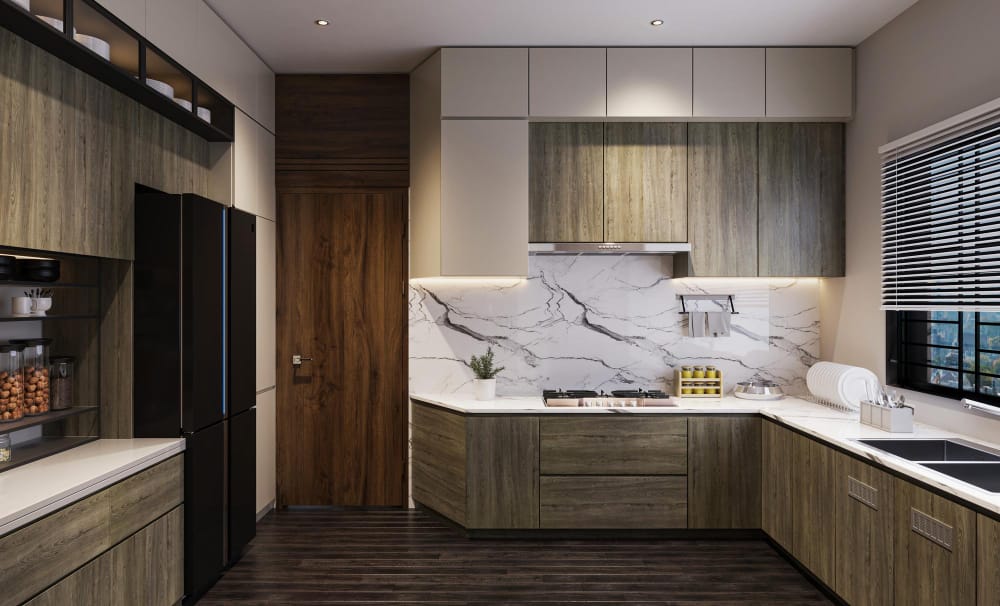
Granite Countertops

Key advantages of granite countertops include:

  • Unique natural stone appearance
  • Strong heat resistance
  • Excellent long-term durability
  • Wide range of color variations
  • High property resale appeal
  • Compatibility with many kitchen styles

These qualities make granite a trusted and timeless option for kitchen remodeling projects focused on both beauty and functionality.

The Natural Beauty of Granite

Unique Stone Patterns

Unlike engineered materials that offer consistent patterns, granite slabs feature naturally occurring mineral variations formed over millions of years. No two granite countertops are exactly alike, allowing homeowners to create highly personalized kitchen designs.

Granite colors may include:

  • White and cream tones
  • Black and charcoal finishes
  • Brown and gold variations
  • Blue and green mineral accents
  • Gray and silver veining patterns

These natural variations create visual depth and texture that many homeowners find highly appealing.

Versatility Across Design Styles

Granite works well in a variety of kitchen aesthetics, including:

  • Traditional kitchens
  • Modern minimalist spaces
  • Farmhouse-inspired interiors
  • Luxury transitional designs
  • Rustic and natural themes

Its versatility allows granite to coordinate effectively with different cabinetry styles, flooring materials, and backsplash finishes.

Durability Benefits of Granite Countertops

Professionally installed Granite Surface Countertops are known for their impressive durability under everyday kitchen conditions.

Heat Resistance

Granite naturally withstands high temperatures, making it highly suitable for busy kitchens where hot cookware is frequently used. While trivets are still recommended for long-term surface protection, granite is far more heat resistant than many synthetic countertop materials.

Scratch and Impact Resistance

Granite is an extremely hard natural stone capable of resisting many forms of surface wear. Its dense composition helps minimize scratches and impacts associated with normal kitchen use.

Homeowners appreciate granite’s ability to maintain its appearance even after years of regular cooking and entertaining.

Long Lifespan

With proper care and professional installation, granite countertops can last for decades. Their long-term durability makes them a valuable investment for homeowners planning long-term residence or resale improvements.

Maintenance and Care for Granite Countertops

Granite countertops require relatively simple maintenance routines to preserve their appearance and performance. Because granite is a natural stone, many surfaces benefit from periodic sealing to help protect against moisture and staining.

Granite Countertops

Basic granite maintenance typically includes:

  • Routine cleaning with mild soap and water
  • Using cutting boards for food preparation
  • Wiping spills promptly
  • Periodic resealing when needed

Proper care helps maintain the countertop’s natural beauty and long-term durability.

Popular Granite Design Trends

Large Kitchen Islands

Granite countertops are commonly used on oversized kitchen islands that serve as central gathering spaces for cooking, dining, and entertaining. Large stone slabs create a dramatic visual centerpiece while providing durable workspace functionality.

Waterfall Edge Installations

Waterfall countertop designs extend the granite vertically down the sides of the island, creating a bold and elegant architectural statement. This design approach has become especially popular in luxury kitchen remodeling.

Leathered and Honed Finishes

In addition to polished finishes, many homeowners now select leathered or honed granite textures that create a softer and more contemporary appearance while reducing visible fingerprints and smudges.

Granite Countertops and Kitchen Functionality

Durable countertops significantly improve how kitchens function on a daily basis. Granite surfaces support:

  • Food preparation durability
  • Expanded cooking workspace
  • Heat management flexibility
  • Long-term wear resistance
  • Easy coordination with integrated sinks and backsplashes

These functional advantages help create kitchens that are both practical and visually impressive.

The Importance of Professional Fabrication and Installation

Granite countertop installation requires specialized fabrication equipment, precise measurements, and experienced installation professionals. Because granite slabs are heavy and natural stone patterns vary, accurate planning is essential for proper fitment and seam placement.

Professional installers ensure:

  • Accurate slab measurements
  • Proper structural support
  • Secure sink and appliance integration
  • Precision seam alignment
  • Safe transport and handling

Expert fabrication helps maximize both the durability and visual quality of the finished countertop installation.

How Natural Granite Countertops Increase Home Value

Updated kitchens remain one of the most influential factors affecting buyer perception and property value. Many buyers view granite as a premium and desirable kitchen feature associated with long-term quality and luxury.

Professionally installed Natural Granite Countertops help create strong visual impact while improving kitchen functionality and resale appeal.

Granite’s reputation for durability and timeless style continues to make it highly attractive in residential real estate markets.

Long-Term Benefits of Granite Countertops

Granite countertops offer lasting value through their unique natural beauty, strong performance characteristics, and timeless design versatility. Homeowners benefit from improved kitchen durability, elegant aesthetics, and surfaces capable of handling years of heavy use.

Whether incorporated into traditional kitchens or contemporary luxury remodels, granite countertops continue to provide homeowners with a dependable and visually sophisticated surface solution.

With professional installation, proper maintenance, and thoughtful design planning, granite countertops can dramatically enhance both the beauty and long-term functionality of the kitchen for many years to come.

Why PITT Cooking Countertops Transform Modern Kitchens

Why PITT Cooking Countertops Transform Modern Kitchens
Innovative PITT cooking countertop systems are transforming the way modern kitchens are designed by integrating cooking burners directly into the countertop surface itself. Unlike traditional cooktops that rely on bulky stainless-steel frames or raised appliance units, PITT cooking systems create a seamless and highly minimalist appearance that blends luxury aesthetics with professional-grade functionality. This innovative design approach has become increasingly popular among homeowners seeking sophisticated, modern kitchens with clean architectural lines and improved workspace flexibility.Contemporary kitchen design continues to prioritize open layouts, uncluttered surfaces, and integrated appliances. PITT cooking technology supports these goals by eliminating the visual bulk of conventional stovetops while maximizing countertop continuity. The result is a kitchen environment that feels more spacious, elegant, and customized for modern living.

What Is a PITT Cooking Countertop?

PITT cooking countertop

A PITT cooking system integrates individual gas burners directly into the countertop surface rather than housing them within a traditional cooktop unit. Each burner is independently installed within the countertop material, creating a sleek and highly customized cooking surface.

These systems are commonly installed into:

  • Quartz countertops
  • Natural stone surfaces
  • Dekton and ultra-compact materials
  • Concrete countertops
  • Porcelain slab surfaces

Because the burners are integrated directly into the countertop, homeowners gain greater design flexibility and a cleaner overall kitchen appearance.

Why Homeowners Are Choosing Integrated Cooking Systems

Minimalist Kitchen Aesthetics

One of the primary reasons homeowners choose PITT cooking systems is the modern minimalist appearance they create. Traditional cooktops often interrupt the visual flow of the countertop with large appliance frames and bulky surfaces.

Integrated burner systems eliminate these visual barriers, allowing the countertop material to remain the dominant design feature throughout the kitchen.

Improved Design Flexibility

Because burners can be spaced independently, PITT cooking systems offer more customization compared to traditional cooktops. Homeowners and designers can arrange burner layouts based on cooking preferences, cookware size, and countertop configuration.

This flexibility supports more personalized kitchen designs and improved workflow efficiency.

Enhanced Workspace Integration

Seamless burner integration allows kitchens to maintain a cleaner and more open appearance, especially within large kitchen islands and open-concept layouts.

Modern homeowners increasingly prefer kitchens that function as both culinary workspaces and social gathering areas, making visual continuity especially important.

Benefits of PITT Cooking Countertop Systems

Professional Integrated Gas Burner Countertops provide several advantages beyond appearance alone.

Greater Cooking Space Flexibility

Traditional cooktops often limit pan spacing and cooking arrangements. PITT cooking systems allow for wider burner placement, making it easier to use large cookware and multiple pots simultaneously.

This flexibility is especially valuable for homeowners who cook frequently or entertain guests regularly.

Easy Surface Cleaning

Integrated burner systems reduce the number of seams, raised edges, and bulky appliance surfaces where debris can accumulate. Smooth countertop surfaces simplify cleaning while maintaining a streamlined appearance.

Many countertop materials paired with PITT systems are also highly resistant to stains, moisture, and heat.

Luxury Kitchen Appeal

PITT cooking systems are commonly associated with upscale contemporary kitchen design. Their sophisticated appearance creates a high-end architectural aesthetic that enhances the overall luxury feel of the kitchen.

These systems are especially popular in modern European-inspired kitchens focused on simplicity and elegance.

Ideal Countertop Materials for PITT Cooking Systems

Because burners are installed directly into the countertop surface, material selection plays an important role in long-term durability and heat performance.

PITT cooking countertop

Quartz and Engineered Surfaces

Quartz countertops remain highly popular because they provide strong durability, low maintenance requirements, and modern design versatility. However, proper heat management and professional installation are essential to ensure safe long-term performance.

Dekton and Ultra-Compact Surfaces

Ultra-compact materials such as Dekton are especially well suited for integrated burner systems because of their exceptional heat resistance and structural stability.

These materials support seamless modern kitchen designs while withstanding high cooking temperatures.

Natural Stone Countertops

Granite and other natural stone materials are also frequently used with PITT systems due to their strength and heat resistance. Proper fabrication and reinforcement are critical for safe installation.

Modern Kitchen Design Trends Featuring PITT Cooking

Large Kitchen Islands

Integrated burner systems are especially popular within oversized kitchen islands that serve as central gathering spaces. PITT systems allow homeowners to cook while maintaining uninterrupted visual continuity across the countertop surface.

This design approach creates highly social and visually impressive kitchen layouts.

Open-Concept Kitchens

Open-concept homes emphasize visual flow between kitchen, dining, and living spaces. Minimalist cooking systems help maintain clean sightlines and reduce visual clutter within these interconnected environments.

European-Inspired Minimalism

European kitchen design often prioritizes concealed appliances, integrated systems, and simple architectural forms. PITT cooking countertops align perfectly with this contemporary design philosophy.

Safety and Ventilation Considerations

Integrated gas burner systems require proper ventilation and professional installation to ensure safe operation. Kitchen ventilation systems should effectively remove heat, smoke, and cooking odors while maintaining indoor air quality.

Professional installation teams carefully evaluate:

  • Gas line placement
  • Countertop structural support
  • Ventilation system compatibility
  • Clearance and safety requirements
  • Heat-resistant material performance

Proper planning ensures the cooking system operates safely and efficiently for many years.

The Importance of Expert Fabrication and Installation

Installing integrated burner systems requires highly specialized fabrication and precision countertop cutting. Accurate burner placement and proper gas system integration are essential for both safety and visual quality.

Professional installers ensure:

  • Precise countertop fabrication
  • Secure burner integration
  • Code-compliant gas connections
  • Proper heat management
  • Long-term structural durability

Expert craftsmanship helps maintain the seamless appearance and reliable performance expected from luxury integrated kitchen systems.

How Built-in Cooktop Countertops Improve Home Value

Modern kitchens strongly influence property value and buyer perception. Luxury design features such as Built-in Cooktop Countertops create strong visual impact while showcasing advanced kitchen innovation and premium craftsmanship.

Buyers increasingly appreciate kitchens that combine elegant aesthetics with highly functional integrated technologies designed for modern living.

Long-Term Benefits of PITT Cooking Countertops

PITT cooking countertop systems offer homeowners a sophisticated combination of luxury design, cooking flexibility, and streamlined kitchen aesthetics. Their integrated construction supports modern minimalist interiors while improving workspace efficiency and visual continuity.

Whether installed in a contemporary kitchen island or a fully customized luxury kitchen layout, PITT cooking systems create a distinctive architectural centerpiece that elevates the entire space.

With professional installation, durable countertop materials, and thoughtful kitchen planning, integrated burner countertops provide lasting performance and exceptional design value for modern homeowners.

Step-by-Step Guide: Understanding ADUs and Making the Most of Your Outdoor Remodel

Step-by-Step Guide: Understanding ADUs and Making the Most of Your Outdoor Remodel

Let’s be honest—home remodeling can feel overwhelming. Especially when terms like “ADU” start popping up in contractor conversations and city paperwork. So before we dive into paint colors or planter boxes, let’s break it all down. What exactly does ADU mean? And how can it tie into your renovation and DIY outdoor decor plans? 

Step by step, I’ll walk you through it. 

Step-by-Step Guide: Understanding ADUs and Making the Most of Your Outdoor Remodel

Step 1: What Does ADU Stand For?

ADU means Accessory Dwelling Unit. Think of it as a secondary residential space on your property—like a detached guest house, garage conversion, or even a basement suite. 

They’re designed to be independent living spaces, complete with kitchens, bathrooms, and separate entrances. In places like California, where space is precious, ADUs are increasingly popular for multigenerational living or rental income. 

Step 2: Why Consider an ADU in Your Home Remodel? 

Adding an ADU can: 

  • Increase your property value 
  • Provide housing for family or tenants 
  • Give you space for a home office, studio, or retreat 

And because ADUs use existing lots, they’re considered a more sustainable and efficient use of land. 

Step-by-Step Guide: Understanding ADUs and Making the Most of Your Outdoor Remodel

Step 3: DIY Outdoor Decor That Works with Your ADU 

Whether you’re building an ADU from scratch or refreshing your backyard, your outdoor space should feel cohesive. 

Here’s what you can DIY to enhance the area: 

  • Build raised garden beds or vertical planters 
  • Add solar-powered path lighting for ambiance and safety 
  • Create a gravel or paver patio with string lights overhead 

Remember, function matters as much as form—especially when you’re sharing outdoor zones between the main home and the ADU. 

Step 4: Tips for Seamless Integration 

Your ADU shouldn’t feel like an afterthought. During your home remodeling process:

  • Match or complement your main home’s exterior finishes 
  • Use consistent landscaping elements 
  • Keep pathways wide and accessible 

Little touches like coordinated house numbers or shared garden features help both spaces feel like they belong together. 


Final Word 

Now that you know what ADU stands for, you can approach your home remodeling with confidence. Whether you’re dreaming of a guest retreat or just want to add some charm with DIY outdoor decor, every thoughtful step you take adds value—not just to your home, but to the way you live in it.

Design Meets Data: Creating a Luxury Bathroom with Smarts and Soaks

Design Meets Data: Creating a Luxury Bathroom with Smarts and Soaks

When planning a true retreat at home, the bathroom often tops the list. And nothing elevates that space like the combination of a jacuzzi bathroom remodel and today’s most intuitive smart bathroom technology. The result? A luxury bathroom that doesn’t just look beautiful—it works beautifully, too.

Let’s explore how data, design, and inspiration can guide your next upgrade. 

Design Meets Data: Creating a Luxury Bathroom with Smarts and Soaks

The Rise of Spa-Like Bathrooms at Home 

According to a 2024 Houzz Bathroom Trends Study: 

  • 61% of homeowners say creating a “spa experience” is their top priority during a bathroom remodel 
  • 38% upgraded their bathtub, with soaking and hydrotherapy tubs seeing a 21% rise year-over-year 
  • 34% integrated smart tech into their remodels 

A jacuzzi bathroom remodel hits both key desires: restorative soaking and daily function. Modern jacuzzi tubs feature built-in chromotherapy, ergonomic seating, and hydro-massage jets—blending therapy with indulgence. 

Integrating Smart Bathroom Technology 

If your bathroom can be a sanctuary, smart tech makes it seamless: 

  • Digital shower systems let you set your perfect temperature (and save your preferences) 
  • Motion-sensor faucets reduce water waste and streamline daily use 
  • Voice-activated lighting systems create mood on demand 
  • Smart mirrors with anti-fog and LED integration make getting ready easier and more luxurious 

These upgrades aren’t just futuristic—they’re functional, sustainable, and surprisingly user-friendly. 

Design Meets Data: Creating a Luxury Bathroom with Smarts and Soaks

Design Tip: Balance Beauty and Tech 

As you layer in technology, don’t lose sight of texture, tone, and tranquility. Stick with: 

  • Warm finishes: matte brass, brushed nickel, or natural wood 
  • Neutral tile palettes that enhance light and softness 
  • Floating vanities and recessed storage to preserve visual flow 

Tech should elevate the experience, not dominate the aesthetic. 

Final Inspiration 

A luxury bathroom should feel like a quiet celebration every day. With the soothing elegance of a jacuzzi bathroom remodel and the intuitive ease of smart bathroom technology, you’re not just upgrading a room—you’re upgrading your daily rhythm.

Because design is at its best when it makes you feel good, every single time you walk in the door. 


From Rust to Riches: The Thrill of an Equipment Auction

It all started with a single bid.

John was an independent contractor struggling to expand his small construction business. He needed better equipment—an excavator, a skid steer, and maybe a forklift—but buying everything new was out of the question. Then, one evening, as he scrolled through online listings, he stumbled upon something that changed his business forever: an equipment auction.

With a mix of curiosity and skepticism, he clicked on the listing. What he found wasn’t just a random collection of used tools—it was an entire inventory of heavy machinery, construction vehicles, and farm equipment being sold at a fraction of retail price. Could this be the opportunity he had been looking for?

From Rust to Riches: The Thrill of an Equipment Auction

The Unexpected Goldmine of Equipment Auctions

John had always assumed that auctions were for rare antiques or high-end cars. But here, in an online equipment auction, was an entire world of industrial-grade machines—some barely used, others in need of minor repairs, all selling at deeply discounted rates.

He quickly realized why equipment auctions were a well-kept secret among contractors and business owners:

Huge Savings: Buying used equipment at an auction often means getting machines for 50–70% off retail prices.
Variety of Equipment: From forklifts and bulldozers to tractors and compressors, auctions feature everything a construction or agricultural business might need.
Transparent Listings: Most reputable auction platforms provide condition reports, service records, and multiple photos, making it easier to bid with confidence.

Curious to see what’s available right now? Browse upcoming equipment auctions here and start bidding on high-quality machinery today!

From Rust to Riches: The Thrill of an Equipment Auction

The Bidding Battle Begins

Determined to find a deal, John researched the auction process. He discovered that timing, strategy, and patience were the keys to winning.

He set up an account on a trusted auction site and made a game plan:

1️⃣ Pre-Auction Research – He examined each machine’s condition report, compared market prices, and set a strict bidding limit.
2️⃣ Smart Bidding Strategy – Instead of placing an early bid and driving up the price, he waited until the last few minutes to swoop in with a final winning bid.
3️⃣ Inspection & Pickup – Some auctions allowed pre-purchase inspections, so John made sure to check the equipment in person before finalizing his purchase.

Local Internet Auctions: The Hidden Gem of Online Bidding

Victory at the Auction

After a few unsuccessful attempts, John finally won his first big item—a gently used skid steer for 60% below retail price. A few weeks later, he landed a deal on a dump truck, then a backhoe loader.

With each new piece of equipment, John’s business transformed. Instead of renting expensive machinery or outsourcing jobs, he could now take on larger contracts and boost his profits.

Why More Businesses Are Turning to Equipment Auctions

John’s story is not unique. Many contractors, farmers, and business owners have discovered that equipment auctions offer unmatched value. Whether you’re looking for construction equipment, industrial tools, or farming machinery, buying at auction means getting top-quality equipment at unbeatable prices.

🔹 Save Thousands – Auctions provide a cost-effective alternative to brand-new machinery.
🔹 Expand Business Operations – Invest in more equipment without straining your budget.
🔹 Upgrade Without the Wait – No long lead times—winning bidders can often pick up their equipment immediately.

Ready to explore the best deals in equipment auctions? 🚜🔧 Start bidding today at this online auction site and turn your next purchase into a success story!

Local Internet Auctions: The Hidden Gem of Online Bidding

Imagine this: You’re sitting at home, sipping your favorite coffee, and suddenly, you stumble upon an online auction offering high-end furniture, electronics, and rare collectibles—all at a fraction of retail prices. No long drives, no crowded auction houses—just local internet auctions connecting you to incredible deals right in your area.

But wait—are local online auctions really worth it? And how do you make sure you’re bidding like a pro? Let’s break it down.

Local Internet Auctions: The Hidden Gem of Online Bidding

Why Local Internet Auctions Are a Game-Changer

Many people assume that online auctions are limited to big platforms selling internationally. But here’s the secret: local internet auctions often offer better deals, fewer competitors, and a chance to inspect items in person before bidding.

Benefits of Bidding Locally

  • Lower Competition: Unlike massive global bidding sites, local auctions have fewer participants, meaning less bidding wars and lower final prices.
  • Convenient Pickup: Forget expensive shipping fees—just pick up your winning item from a nearby warehouse or seller.
  • Exclusive Finds: Many estate sales, government surplus auctions, and liquidation events happen at a local level, offering unique treasures you won’t find anywhere else.

👉 Want to see the best local auctions happening now? Check out this online auction platform to browse upcoming events in your area!

How to Win Big at Local Internet Auctions

1. Find the Right Auction Sites

Not all auction platforms focus on local listings. Some of the best live and timed auctions happen on region-specific websites where sellers list inventory

Local Internet Auctions: The Hidden Gem of Online Bidding

for buyers in the same city or state.

To get started, look for:
Local estate sales and government auctions
Business liquidations selling excess inventory
Charity and nonprofit auctions offering tax-deductible purchases

📌 Pro Tip: Use this trusted bidding website to filter auctions based on your location and find unbeatable local deals.

2. Research Before You Bid

Before placing your first bid, take a minute to:

🔍 Check the auction terms: Is there a buyer’s premium? What are the pickup deadlines?
📸 Examine photos and descriptions: Look for any signs of wear or damage.
📞 Ask questions: Many sellers allow bidders to inspect items in person before bidding—take advantage of this!

Winning Strategy: Set a max bid BEFORE the auction starts to avoid getting caught in the excitement and overpaying.

Local Internet Auctions: The Hidden Gem of Online Bidding

3. Time Your Bids for Maximum Success

💡 Golden Rule: Never bid too early!

Many online bidders make the mistake of bidding immediately, driving up prices before the auction is even close to ending. Instead, try sniping—placing a well-timed bid in the last few minutes to secure the win without inflating the final price.

Final Thoughts: Are Local Internet Auctions Worth It?

Absolutely! Whether you’re hunting for discounted electronics, rare collectibles, or home essentials, local online auctions provide a low-cost, high-reward way to shop. You’re not just saving money—you’re uncovering hidden gems right in your own neighborhood.

Ready to start bidding on incredible local deals? 🚀 Head over to this online auction site and see what’s available near you!